

Shanti Namuna Secondary School
Shanti Namuna Secondary School was established in 2003 B.S. by a committed group of local academicians, social workers, and donors. The school began in a modest thatched-roof hut and has steadily grown into a well-recognized educational institution in Tilottama Municipality, Rupandehi, Western Nepal. It received official recognition in 2016 B.S. and currently offers education from Montessori to +2 levels in both English and Nepali mediums.
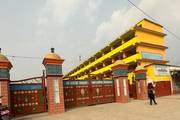
The school provides a supportive learning environment with spacious and well-ventilated classrooms, a multipurpose playground, and a modern school building. In 2067 B.S., Shanti Namuna introduced an English Medium program, and in 2073 B.S., it was selected as a Model School by the Ministry of Education, reflecting its commitment to quality education.
Every year, more than 200 students appear in the SEE examinations. The school has consistently achieved strong academic results and has earned recognition at both district and national levels, particularly among community schools.
To enhance teaching and learning, the school uses modern educational tools such as smart boards and multimedia systems. Alongside academics, equal importance is given to discipline, moral values, and students’ overall development through various co-curricular activities.
Shanti Namuna Secondary School follows an inclusive approach to education. It offers hostel facilities for visually impaired students and runs a TSLC program affiliated with CTEVT, ensuring access to technical and vocational education.
With the combined support of dedicated teachers, cooperative parents, and the local community, the school continues to progress as a center of educational excellence. Shanti Namuna Secondary School remains committed to nurturing responsible, skilled, and confident individuals for the future.
Vision
The vision aligns with shifts in the global Creativity, innovation, and a desire to challenge the status quo, both in what and how we teach and in the intellectual ambitions of the school itself
Mission
Lead in generating practical and theoretical knowledge that enables people to better understand the world and improve conditions for local and global communities.
Objectives
To apply teaching /learning through enthusiasm and amusement, but not pressure. To promote the essence of self-dependence, problem-solving, moral behavior, and dedication.
SPONSORED SCHOOLS

- Mid-Baneshwor, Kathmandu
- Lakhe Chaur Marg, Mid-Baneshwor, Kathmandu

- Banshidhar Marg, Chandol-4, Kathmandu

- Shantinagar-31, Kathmandu
GALLERY
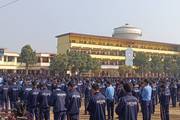
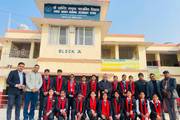
SCHOLARSHIP INFORMATION
- Outstanding Science Results
Consistently strong academic performance with one of the highest science pass percentages in Rupandehi District. - Skill-Based and Earn While You Learn Programs
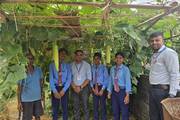
Students develop practical skills through agriculture-focused learning, including vegetable plant nursery preparation, promoting self-reliance and applied education. - Plant Nursery and Horticulture Skills Development
Students gain hands-on experience in raising and managing vegetable saplings, strengthening knowledge in sustainable agriculture and plant care. - Regular Parent–Teacher Engagement
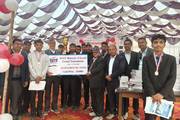
Structured and regular parent–teacher meetings enhance collaboration and support student progress. - Strong Sports Participation and Achievement
Active involvement in inter-school sports competitions fosters teamwork, discipline, and leadership. - Merit-Based Student Recognition
Academic, co-curricular, and extracurricular achievements are encouraged through regular awards and appreciation programs. - Practical Legal Education and Internship Exposure
Law stream students receive real-world exposure through internships and visits to judicial, legal, and local government offices. - Mentorship by Legal Professionals
Teaching and guidance by experienced legal practitioners strengthen practical understanding of legal studies. - Hands-On Learning in Hotel Management
Hotel Management students engage in practical training such as food and beverage preparation to build industry-ready skills. - Active Scout Program
The Scout program promotes discipline, leadership, teamwork, and community service. - Participation in Academic and Co-Curricular Competitions
Students regularly take part in inter-school academic and communication-based competitions. - Health Awareness and Social Responsibility Initiatives
The school actively participates in health awareness programs and community-focused activities in coordination with local bodies.
OFFERED PROGRAMS
Schools Like Shanti Namuna Secondary School
Nearby Schools
Do you work for Shanti Namuna Secondary School?
Claim your profile and keep your school's data up-to-date and get insights on user interests on your school.
Claim Your School Now- PublicTechnical SchoolModel School
- National Examinations Board
- CTEVT
- Established 2003 B.S.
- 071-560188
- info@sns.edu.np
You May Also Consider
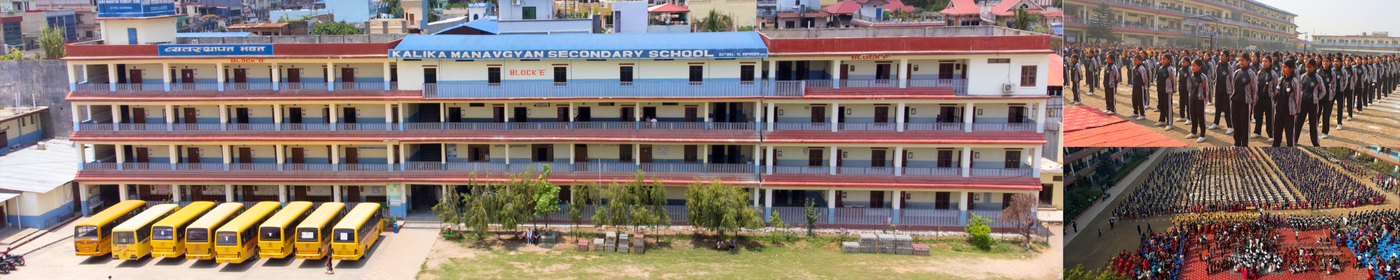
- Kalikanagar-10, Butwal, Rupandehi
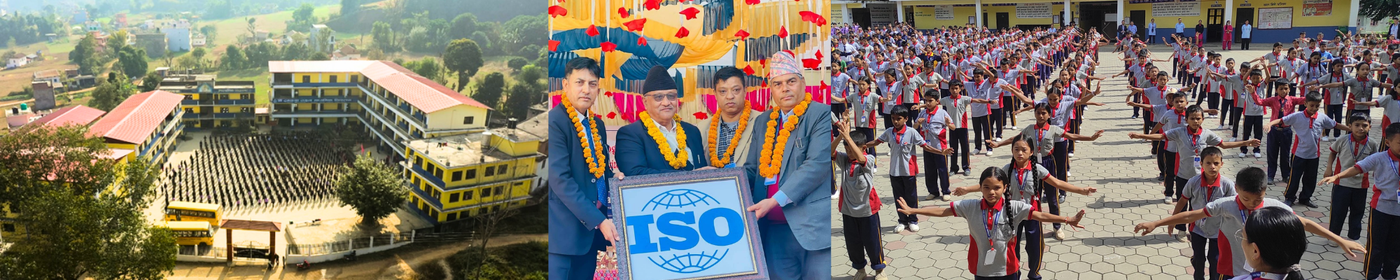
- Damkada-9, Tansen, Palpa
- Butwal-4, Rupandehi

- Manigram-5, Tilottama, Rupandehi
- Tulsipur-6, Dang
- Tamghas-2, Resunga, Gulmi