
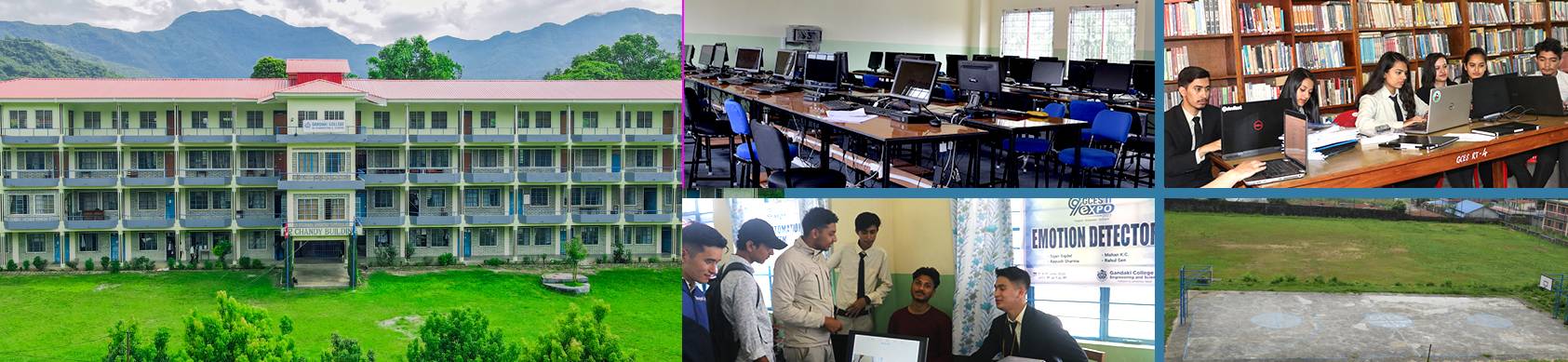

Bachelor of Computer Engineering (BE Computer)
Apply Now
Bachelors of Computer Engineering program is a 4-year (8 semesters) 137 credit undergraduate engineering program. The program is concerned with the analysis, design, and evaluation of computer systems, both hardware, and software. The program emphasizes computer organization and architecture, systems programming, operating systems, and digital hardware design. This field of study not only focuses on how computer systems work but also how they integrate into the larger picture.
The goal of the program is to ensure that the graduates are fundamentally sound, practical, participatory, and professional.Specifically, after graduation, the successful graduates are expected to be engaged in successful professional practice in their chosen discipline who can demonstrate personal and professional leadership in their workplace and community. They are also expected to demonstrate effective communication in an engineering environment and utilize formal and informal learning opportunities to maintain and enhance technical and professional growth.
The Computer Engineering graduates are expected to have:
- An ability to identify, formulate, and solve complex engineering problems by applying principles of engineering, science, and mathematics.
- An ability to apply engineering design to produce solutions that meet specified needs with consideration of public health, safety, and welfare, as well as global, cultural, social, environmental, and economic factors
- An ability to communicate effectively with a range of audiences
- An ability to recognize ethical and professional responsibilities in engineering situations and make informed judgments, which must consider the impact of engineering solutions in global, economic, environmental, and societal contexts
- An ability to function effectively on a team whose members together provide leadership, create a collaborative and inclusive environment, establish goals, plan tasks, and meet objectives
- An ability to acquire and apply new knowledge as required, using appropriate learning strategies.
Course Structure (Effective From 2022: New Batch)
Year I/ Semester I | Year I/ Semester II |
ELE 120: Basic Electrical Engineering | MTH 150: Algebra and Geometry |
MTH 110: Calculus-I | CHM 110: Applied Chemistry |
ENG 110: Communication Techniques | PHY 110: Applied Physics |
CMP 122: Computer Workshop | MEC 116: Basic Engg Drawing |
ELX 110: Digital Logic | CMP 160: Data Structure and Algo. |
ELX 120: Elx Device and Circiut | ELE 172: Instrumentation |
CMP 124: Programming in C | CMP 162: OO Programming in C++ |
Year II/Semester III | Year II/Semester IV |
MTH 210: Calculus- II | CMP 228: Advanced Prog. in Java |
CMP 234: Computer Graphics | MTH 250: Applied Mathematics |
CMM 220: Data Communication | CMP 262: Computer Architecture |
CMP 222: Database Management System | MTH 252: Numerical Methods |
CMP 224: Microprocessor and ALP | CMP 270: Research Fundamentals |
CMP 232: Operating System | CMP 264: Theory of Computation |
Year III/Semester V | Year III/Semester VI |
CMP 346: Artificial Intelligence | CMP 344: Computer Networks |
CMM 344: Digital Signal Analysis & Pr. | CMP 360: Data Science and Analysis |
ELX 320: Embedded System | CMP 362: Image Processing & PR |
MGT 320: Engineering Management | CMP 364: Machine Learning |
MTH 216: Probability and Statistics | CMP 338: Simulation and Modeling |
CMP 348: Software Engineering | XXX XXX: Elective |
PRJ 360: Project I | |
Year IV/Semester VII | Year IV/Semester VIII |
CMP 424: Cloud Computing & Vis. | INT 492: Internship |
CMP 422: Compilier Design | PRJ 452: Project II |
MGT 250: Engineering Economics | XXX XXX: Elective II |
MGT 332: Enterpreneurship |
|
CMP 426: Network and Cyber Security |
|
XXX XXX: Elective II |
