As parents and educators, we often find ourselves rushing toward the next milestone. We celebrate when a toddler says their first word, and we beam with pride when they finally learn to write their name. Yet in this rush to “formalize” education, are we overlooking the most critical window of a human life?
In Nepal, education is often measured by how early a child starts reading, writing, and completing homework. However, the most important learning happens long before textbooks enter a child’s life.
Early childhood, from birth to around eight years of age, is the most critical period of development. What children experience during these years shapes their physical health, emotional strength, learning ability, and social behavior for the rest of their lives.
For parents and educators alike, understanding early childhood development is not a luxury. It is a necessity.
Understanding Early Childhood Development
Early childhood development focuses on how children grow, learn, and interact with the world during their earliest years. These years are marked by rapid brain development and strong emotional bonding.
In Nepal, children often reach important developmental stages at different ages depending on nutrition, environment, and caregiving practices. Rather than rushing children into formal academics, these years should focus on building readiness for life and learning.
Holistic Development: More Than Just Academics
Child development is not limited to reading books or writing the alphabet. A child’s growth happens across several interconnected areas.
Physical Development
Children need space and time to move. Running, climbing, drawing, playing with balls, and helping with small household activities all support healthy physical and brain development.
Cognitive Development
Curiosity is the foundation of learning. When children are allowed to ask questions, explore objects, and solve simple problems, their thinking skills develop naturally.
Social and Emotional Development
In Nepali society, values such as cooperation, respect, and empathy are deeply rooted. Early childhood is the time when children learn how to share, manage emotions, and build confidence through interaction with family members and peers.
Language Development
Talking to children in their mother tongue, telling stories, and encouraging expression help them develop strong communication skills. Language is not just about speaking correctly, but about expressing thoughts and emotions.
All these areas support each other. A child who feels emotionally safe is more confident to explore, learn, and communicate.
The Importance of Home and Community
Traditionally, Nepali children grew up in joint families, surrounded by grandparents, siblings, and neighbors. These environments naturally supported social and emotional learning.
Today, with nuclear families, busy schedules, and urban living, children often have fewer opportunities for interaction. Creating time for conversation, shared meals, and play has become more important than ever.
Early learning centers should complement the home by providing safe, play-based environments rather than focusing only on early writing and worksheets.
When Is a Child Ready for School?
Starting formal schooling too early can create unnecessary pressure. Before entering Grade 1, children need time to develop independence, communication skills, and emotional readiness.
A development-focused preparatory phase helps children adjust to classroom routines without fear or stress. When children are ready, learning becomes joyful rather than forced.
Parents as Everyday Teachers
Children learn a great deal by observing adults at home. They copy how elders speak, eat, behave, and respond to challenges.
Parents and caregivers play a key role by:
- Ensuring good health and emotional well-being
- Providing nutritious, home-cooked food
- Talking and listening to children regularly
- Making children feel safe and valued
- Responding patiently to their needs
Small daily actions, such as eating together or involving children in simple household tasks, have a lasting impact.
Play, Stories, and Local Learning Practices
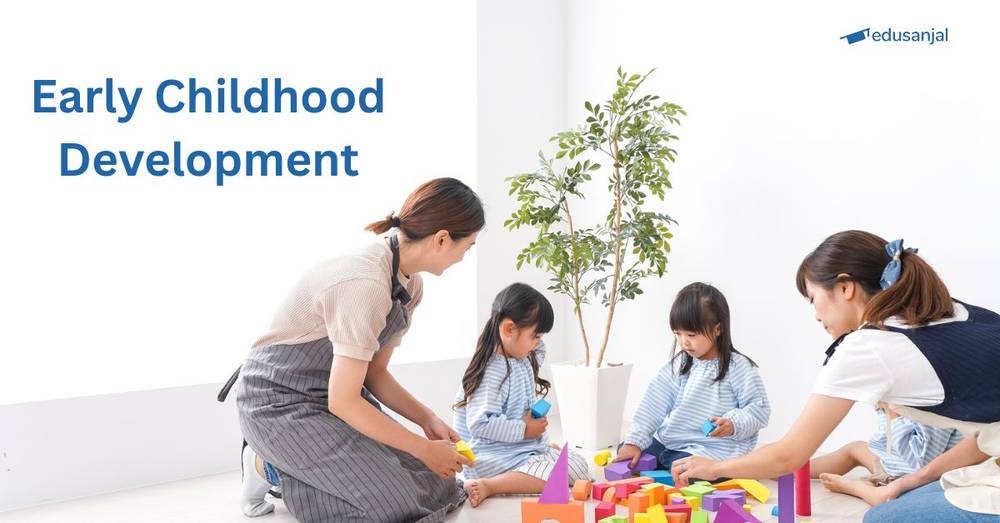
Play is a natural and effective way for children to learn. Traditional games, singing rhymes, storytelling, and roleplay help children develop creativity, cooperation, and problem-solving skills.
Stories shared by elders, folk songs, and everyday conversations strengthen memory and language. These practices are deeply rooted in Nepali culture and remain powerful learning tools.
Children also learn by imitation, making positive adult behavior especially important.
Nutrition: Returning to Local Wisdom
Healthy development does not require expensive or packaged foods. Traditional Nepali meals using rice, lentils, vegetables, greens, and local grains provide balanced nutrition.
Foods such as jaulo, sisno, gundruk, kodo, and phapar are rich in nutrients and support growth when prepared hygienically. Encouraging a variety of foods helps children develop healthy eating habits.
Using junk food as a reward or status symbol can harm both physical health and food preferences.
Screen Time and the Need for Natural Play
Mobile phones and digital devices have become common even for very young children. However, excessive screen exposure can affect attention, sleep, and social skills.
Children benefit far more from outdoor play, interaction with nature, and direct human connection. Playing with soil, water, sand, and open spaces supports sensory development and emotional balance.
Limiting screen use, especially during meals and before sleep, helps maintain healthy routines.
Discipline, Homework, and Learning Habits
Discipline works best when it is gentle and explanatory. Children respond better when adults explain why certain behavior is expected rather than using fear or punishment.
Homework in early years should encourage conversation, not pressure. Simple activities that allow children to share what they did or learned during the day help strengthen parent-child bonds.
Educational institutions also play a crucial role by focusing on developmentally appropriate practices and trained educators who understand children’s needs.
A Shared Responsibility for Nepal’s Future
Early childhood development is a shared responsibility of families, schools, and society. When children are supported with care, play, nutrition, and emotional security in their early years, they grow into confident learners and responsible individuals.
Investing in early childhood is one of the most effective ways to strengthen Nepal’s future, not only academically, but socially and emotionally as well.